Category: Uncategorized

  • Reviving Arts and Crafts Interior Design in Modern Homes

    In the world of interior design, the Arts and Crafts movement holds a special place, championing simplicity, craftsmanship, and natural beauty. This design philosophy, emerging in the late 19th century, sought to counteract the effects of industrialization by emphasizing handcrafted details, quality materials, and an inherent connection to nature. Today, the Arts and Crafts style continues to inspire homeowners and designers alike, offering a timeless appeal that blends both comfort and elegance.

    Arts and Crafts Interior Design

    The Arts and Crafts movement, pivotal in shaping interior design, originated in Britain in the late 19th century as a backlash against the mass-produced goods of the industrial revolution. Spearheaded by visionaries like William Morris and John Ruskin, it championed traditional craftsmanship, placing immense value on the beauty of natural materials and the importance of a handmade touch. These ideals rapidly spread, influencing architects and designers in the United States and across Europe. Central to its philosophy was the notion that design and craftsmanship should be accessible to all, encouraging environments that were both beautiful and functional. This movement laid the foundation for modern interior design by promoting principles that emphasized simplicity, a connection to nature, and an unparalleled dedication to craftsmanship. 

    Key Elements of Arts and Crafts Interior Design

    Reflecting on the Arts and Crafts movement’s origins and its emphasis on craftsmanship and natural beauty, several key elements define its approach to interior design. These components not only showcase the movement’s ethos but also ensure any space exudes warmth, character, and timeless appeal.

    • Handcrafted Furniture: Pieces often feature robust, simple lines that highlight the quality of the material and the artisan’s skill. Examples include oak dining tables and chairs with intricate joinery.
    • Natural Materials: Wood, stone, and metals are preferred for their inherent beauty and durability. Oak wood, in particular, is a staple for both furniture and paneling.
    • Earthy Color Palette: Colors are inspired by nature, with hues such as deep greens, rich browns, and rustic oranges creating a harmonious and inviting atmosphere.
    • Textile Patterns: Fabrics showcase traditional motifs, like floral and leaf designs, reflecting the movement’s connection to nature. William Morris’s prints, for example, are quintessential selections for upholstery and curtains.
    • Built-in Cabinetry: Custom storage solutions are designed to blend seamlessly into the architecture, enhancing functionality without sacrificing style.

    Challenges and Considerations

    Incorporating the Arts and Crafts style into modern interiors presents unique challenges and calls for careful considerations. Authenticity to the movement often demands high-quality, handcrafted elements, which can be expensive and time-consuming to source. Finding artisans who can replicate the intricate craftsmanship emblematic of the Arts and Crafts movement requires diligence and patience. Additionally, integrating natural materials like wood, stone, and textiles into contemporary settings while maintaining a cohesive design aesthetic asks for a nuanced approach. Homeowners must balance the desire for modern functionality with the commitment to the style’s principle of handcrafted quality. This involves selecting materials and furniture that reflect the era’s authenticity without compromising on the contemporary needs for comfort and practicality. Moreover, replicating the earthy color palette and intricate patterns characteristic of Arts and Crafts interiors in a way that feels fresh and relevant to today’s design sensibilities poses another layer of complexity. Hence, merging Arts and Crafts design elements with modern home requirements necessitates a thoughtful blend of tradition and innovation.

    Highlighting Notable Arts and Crafts Interiors

    Embracing the Arts and Crafts movement in today’s interior design allows for a timeless aesthetic that honors craftsmanship and natural beauty. This approach not only pays homage to the pioneers like Morris and Ruskin but also offers a unique way to blend tradition with modernity. By focusing on handcrafted furniture, natural materials, and an earthy color palette, homeowners can create spaces that are both inviting and distinctive.

    The challenge of incorporating such a rich design heritage into contemporary homes is met with creativity and a deep appreciation for artisanal quality. It’s about finding that perfect balance between the old and the new, ensuring that every element has its place and purpose. As we continue to draw inspiration from the Arts and Crafts movement, it’s clear that its principles are more relevant than ever in achieving beautiful, sustainable, and meaningful interiors.

  • Beat the Heat: Must-Have Cooling Gadgets and Accessories for 2024

    Beat the Heat: Must-Have Cooling Gadgets and Accessories for 2024

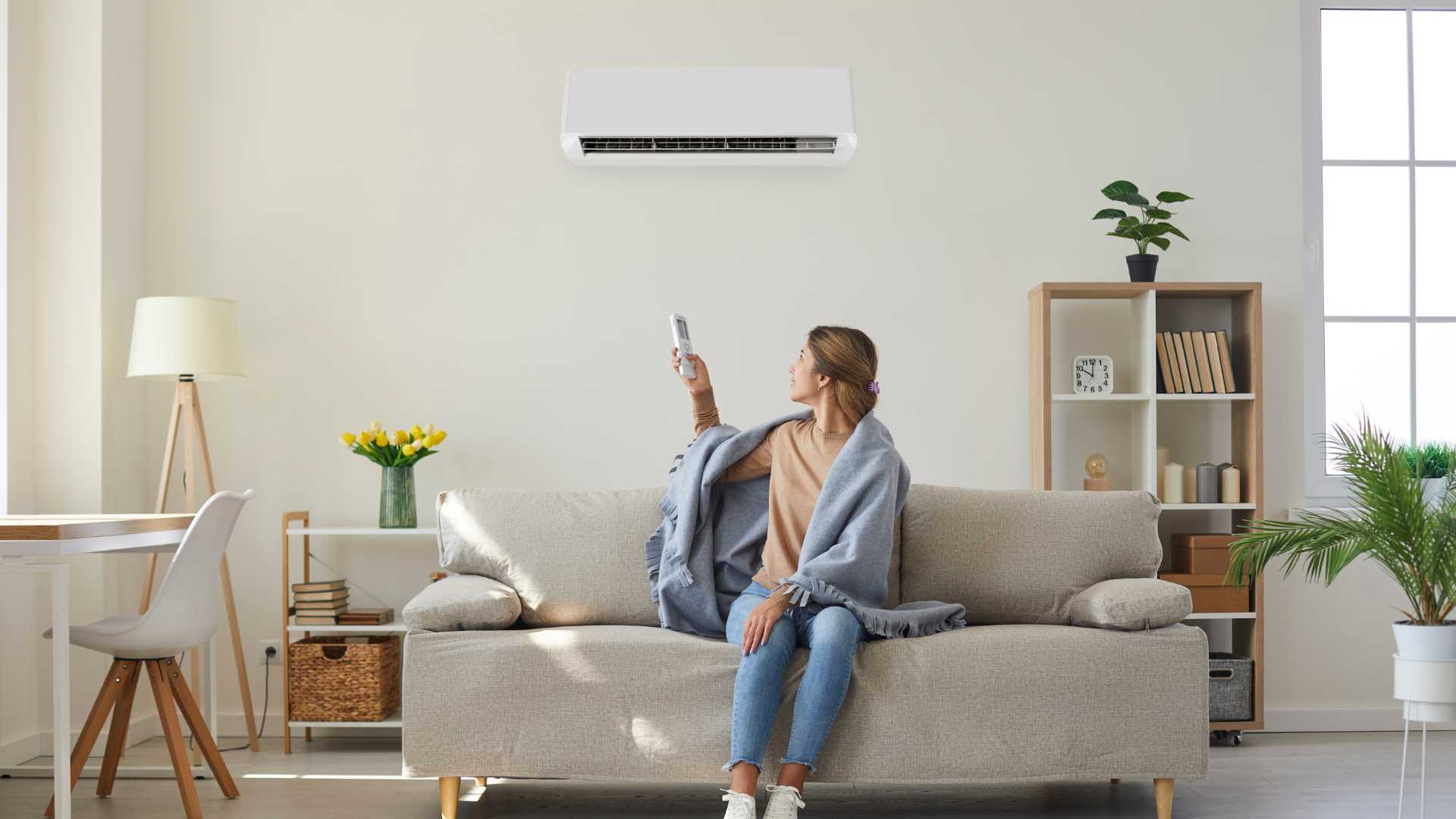
    As someone who loves staying cool and comfortable, I’m always on the lookout for innovative ways to beat the heat. In today’s fast-paced world, where temperatures seem to be rising, cooling gadgets have become essential companions for many of us. From portable fans to high-tech cooling towels, these gadgets offer a refreshing oasis in the midst of sweltering days.

    The Importance of Cooling Gadgets in Daily Life

    Combatting Heat with Innovative Technology

    Staying cool in the face of rising temperatures is more manageable than ever thanks to the advancements in cooling gadgets. These devices are designed to combat heat efficiently, offering a much-needed reprieve on scorching days. Portable fans, cooling towels, and other innovative cooling gadgets are at the forefront of this technological revolution, providing instant relief from the sweltering heat.

    The Role of Cooling Gadgets in Comfort and Productivity

    Cooling gadgets play a vital role in enhancing both comfort and productivity in various settings. Be it at home, in the office, or while engaging in outdoor activities, these gadgets help regulate body temperature and create an optimal environment for relaxation and focus. By incorporating cooling gadgets into my routine, I’ve noticed a significant improvement in my overall well-being and efficiency. Whether it’s a compact cooling fan on my desk or a wearable cooling device during workouts, these gadgets have become essential tools for ensuring comfort and maximizing productivity throughout my day.

    Cooling Gadgets

    Wearable Cooling Devices

    When it comes to wearable cooling devices, the market offers a diverse range of options designed to provide efficient heat relief in various situations. Some notable examples include personal fans that can be worn around the neck or clipped onto clothing. These fans deliver a constant stream of cool air, ensuring a comfortable experience even on the hottest days. Another popular choice is cooling apparel, such as moisture-wicking shirts and cooling hats, which not only keep you cool but also offer a stylish solution to combat heat stress during outdoor activities and sports.

    Cooling Appliances for the Home

    For home cooling solutions, cooling appliances play a crucial role in maintaining a comfortable indoor environment. Portable air conditioners offer flexibility by allowing you to cool specific areas without the need for a central cooling system. Additionally, evaporative coolers are eco-friendly options that use water to cool the air, making them energy-efficient alternatives. Gel mattress toppers are another innovative gadget that enhances sleep quality by regulating body temperature, ensuring a restful night’s sleep even in warm conditions.

    Gadgets for Outdoor Activities and Sports

    When engaging in outdoor activities or sports, staying cool is essential for performance and safety. Portable mini fans are handy gadgets that provide instant cooling relief, while neck fans offer a hands-free cooling solution for increased convenience. Athletes and outdoor enthusiasts can benefit from cooling vests that help regulate body temperature and prevent overheating during intense physical activities. 

    How to Maintain Your Cooling Gadgets

    Cleaning and Storage Tips

    To keep my cooling gadgets working efficiently, I make sure to regularly clean them. I wipe down the surfaces of my portable air conditioner, handheld fan, and cooling vest with a damp cloth to remove any dust or debris that can affect their performance. It’s essential to clean the air filters of these gadgets as well to prevent clogs and maintain proper airflow. For my cooling apparel and hats, I follow the manufacturer’s instructions for washing to ensure they remain in good condition.

    When it comes to storage, I store my cooling gadgets in a cool, dry place away from direct sunlight. Proper storage helps maintain the longevity of the gadgets and prevents them from overheating. I make sure to neatly coil the cords of my gadgets to prevent tangling and damage. Storing gadgets like neck fans and mini fans in their protective cases or pouches also helps prevent dust buildup and keeps them ready for use when needed.

  • Revolutionizing Medical Imaging

    Revolutionizing Medical Imaging

    Artificial Intelligence in Radiology

    As we delve into the realm of radiology, the integration of artificial intelligence (AI) has become a prominent topic of discussion and innovation. AI is revolutionizing how medical imaging is interpreted, enhancing efficiency, accuracy, and patient care. In the field of radiology, AI algorithms are being developed to assist radiologists in analyzing images more effectively and swiftly.

    The utilization of AI in radiology aims to streamline workflow processes by automating routine tasks such as image analysis and report generation. By leveraging machine learning algorithms, AI can provide valuable insights that aid in early detection of diseases and abnormalities. This technology holds the potential to significantly reduce diagnostic errors while improving overall diagnostic outcomes.

    Moreover, the implementation of AI in radiology not only accelerates diagnosis but also plays a pivotal role in personalized medicine. Through advanced data analytics and pattern recognition capabilities, AI systems can identify subtle patterns within images that may elude human eyes, leading to more precise diagnoses and tailored treatment plans for patients. The synergy between AI and radiology marks a transformative era in healthcare delivery with promising advancements on the horizon.

    The Evolution of Artificial Intelligence in Radiology

    Artificial intelligence (AI) has revolutionized the field of radiology, enhancing diagnostic accuracy and efficiency. Initially, AI applications in radiology focused on automating repetitive tasks like image analysis. Early systems required substantial human oversight to ensure accuracy.

    As technology advanced, AI algorithms evolved to perform more complex functions independently. For instance, machine learning models can now detect abnormalities in medical images with a high degree of precision, aiding radiologists in making faster and more accurate diagnoses.

    The integration of deep learning techniques has further propelled the evolution of AI in radiology. These advanced algorithms can analyze vast amounts of imaging data to identify patterns that may not be apparent to the human eye. Consequently, healthcare providers can offer more personalized treatment plans based on comprehensive and nuanced insights provided by AI systems.

    Moreover, the increasing adoption of AI-powered tools such as computer-aided detection (CAD) systems has significantly improved patient outcomes by enabling early detection of diseases like cancer. By assisting radiologists in detecting subtle anomalies that might go unnoticed during manual screenings, these tools play a crucial role in preventive healthcare strategies.

    Overall, the continuous refinement and expansion of AI capabilities are reshaping the landscape of radiology by empowering practitioners with powerful tools for diagnosis and treatment planning. As research and development efforts progress, we can expect AI technologies to drive further innovations in healthcare delivery and ultimately enhance patient care across diverse medical specialties.

    Key Applications of AI in Radiology

    When delving into the realm of radiology, the integration of artificial intelligence in radiology (AI) presents a plethora of transformative applications. This cutting-edge technology has revolutionized the field by enhancing diagnostic accuracy, improving workflow efficiency, and advancing patient care. Let’s explore some key applications where AI is making significant strides:

    Early Detection and Diagnosis

    • Image Analysis: AI algorithms can swiftly analyze medical images such as X-rays, MRIs, and CT scans with remarkable precision.
    • Detection Assistance: By flagging abnormalities or potential areas of concern, AI aids radiologists in detecting early signs of diseases like cancer.

    Workflow Optimization

    • Prioritization Tools: AI-powered systems can prioritize cases based on urgency, optimizing radiologists’ workload and ensuring timely diagnosis for critical conditions.
    • Automation: Tasks like image labeling and report generation can be automated through AI algorithms, streamlining processes and reducing manual errors.

    Personalized Treatment Planning

    • Treatment Recommendations: Leveraging patient data and imaging results, AI suggests tailored treatment plans that align with individual needs.
    • Outcome Prediction: By analyzing historical data and treatment outcomes, AI assists in predicting patient responses to specific therapies.

    Research Advancements

    • Data Analytics: With access to vast datasets, AI accelerates research efforts by identifying patterns, trends, and correlations that might not be apparent through traditional methods.
    • Clinical Trials Optimization: AI optimizes clinical trial recruitment processes by matching eligible participants with relevant studies efficiently.

    Incorporating artificial intelligence in radiology practices holds immense promise for revolutionizing healthcare delivery. From expedited diagnoses to personalized treatment strategies, the synergy between human expertise and machine intelligence is reshaping the landscape of modern medicine.

  • Hello world!

    Welcome to WordPress. This is your first post. Edit or delete it, then start writing!